
Author: mezlet

  • Dental Sleep Medicine Conference Focuses on Treatment Tools

    Dental Sleep Medicine Conference Focuses on Treatment Tools

    We at DSM Solutions would like to present exciting findings proposed at the American Academy of Dental Sleep Medicine, which held its annual 2018 conference in Baltimore, MD. Six remarkable abstracts were presented to all conference attendees. These abstracts focused on how successful newer treatments could be for patients that were older as well as up-and-coming diagnostic tools for detection in pediatric settings. However, other abstracts focused on the overall clinical effectiveness that oral appliance therapy had on cardiovascular health and exhaustion. Additional abstracts received research awards as well.

    Dr. Marc Braem, et al. presented an abstract that focused on the impact of the mandibular advancement device (MAD) on exhaustion and sleepiness when treating patients with sleep apnea. The abstract measured and scored the level of exhaustion and sleepiness in patients while using this device. This abstract included 41 patients who completed a diagnostic questionnaire based on two separate sleep scales, the Checklist of Individual Strength (CIS) and Epworth Sleepiness Scale (ESS). Patients provided feedback on their experience with the MAD device. They completed the questionnaire at the beginning of the study and at the end. The CIS was found to provide more information about the effectiveness of the MAD than the ESS.

    A second key abstract, written by Dr. Marike Dieltjens, et al. included a study of 31 patients that evaluated the overall clinical and cardiovascular effects of the MAD. Thirty-one patients used the MAD for six months and the results revealed that this device was effective in improving cardiovascular health. Results revealed notable improvement in left ventricle performance as well as with positive airway pressure.

    The 2018 AADSM annual conference shared abstracts and studies that demonstrated the effectiveness of oral appliance therapies when treating patients with sleep apnea. Other abstracts were presented and received awards as well. Dr. Greenman and your Westlake Village, CA sleep apnea dental consultant team know the importance of staying up to date on recent findings, and these results can be useful in updating how to evaluate and treat your patients with sleep apnea. For more up-to-date guidance on providing sleep apnea dentistry at your practice, be sure to call us today for a consultation.

  • Sleep Positions: Are You Sleeping the Right Way?

    Sleep Positions: Are You Sleeping the Right Way?

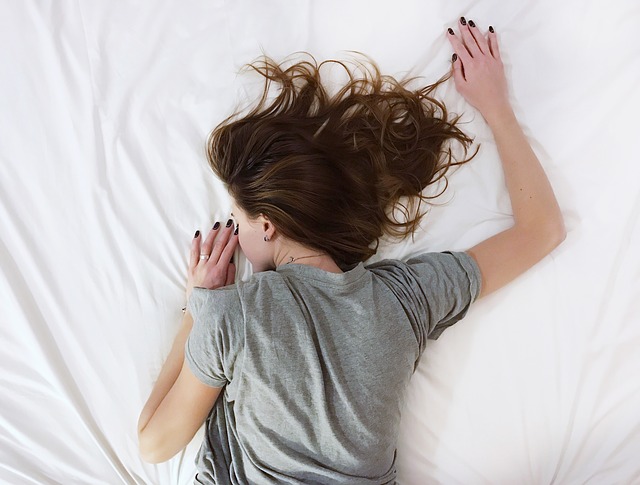
    Most of us don’t pay much attention to how we sleep: we simply choose a comfortable position and drift off. But you might be surprised to learn that not all sleep positions are created equal, that there are some positions that are simply better for your health. As you sleep, your body is awake. While you rest, the body’s processes can be disturbed or impeded by positions that stress the body in one way or another. This is why Dr. Greenman advises you to work with your patients to explore their own sleep positions and find those most beneficial to their health.

    The Fetal Sleeper

    The fetal position is the most common sleep position: 40 percent of us sleep on our sides. This position can be beneficial to people who snore. However, sleeping in a fetal position compromises the nerves in your arms and legs because of the lack of support. You can still sleep in this position without compromising your spine and back health if you use pillows to support your back and neck.

    Back Sleepers

    Back sleepers will be happy to know that this position is the healthiest of all three. When you sleep on your back, your spine is properly aligned and supported which means that there is no unnecessary pressure on your body. It’s also a position that can be beneficial for people who suffer from acid reflux if the stomach is in a position lower than the esophagus, as it prevents stomach acid from coming up.

    Unfortunately, back sleeping is no good for those who suffer from sleep apnea or snore. These conditions will only be worsened.

    Sleeping on Your Stomach

    Stomach sleepers unfortunately don’t reap any benefits from this position. This position places a strain on your back and neck, lacks spinal support, and often results in restless sleep. Once you’ve determined your sleep position, make changes if needed.

    The DSM Solutions team is here to help you help your sleep apnea patients get the best night’s sleep they can, and improper sleep habits can impede internal bodily functions and place unnecessary stress on the head, neck, back, arms, and legs,  impeding their improvement. Encourage your patients’ to begin practicing healthier sleep positions. Your Westlake Village, CA DSM team understands the importance of sleep positions and knows the impact that improper sleep habits have on sleep apnea and overall health. To learn more, contact us today!

  • What You Can Expect at a Sleep Study

    What You Can Expect at a Sleep Study

    Sleep is an integral part of everyone’s health, but many people experience difficulty falling asleep and staying asleep. Fortunately, Dr. Nicole Greenman and the DSM Solutions team can train you and your team on how to offer relief to your dental patients who are suffering from obstructive sleep apnea. You win a patient for life if you’re able to support their oral health and resolve their sleep problems to achieve better rest. One of the first steps you may be recommending to your patients to help diagnose and treat sleep apnea is participation in a sleep study.

    Sleep Studies

    Sleep studies are designed to gather as much information as possible about how a person sleeps. These tests usually take place in a sleep lab where your patient’s sleep patterns can be monitored using a wide variety of different tools. These tests are important to help uncover both common and uncommon sleep problems such as sleep apnea, narcolepsy, restless leg syndrome, and REM behavior disorder. The tests also make it possible for your team to come up with effective solutions.

    Polysomnography

    This is a sleep test that measures brain waves and physiological activity. This test comprises 27 electrodes that are attached to your patient’s body to measure:

    1. Breathing
    2. Heart rate
    3. Leg Movements
    4. Eye movements
    5. Blood oxygen levels

    CPAP Titration

    As we sleep, it’s important that our airwaves remain open and unobstructed. Sleep Apnea is a disorder where this process is frequently hindered. A CPAP Titration test can be run to measure continuous positive airway pressure. If the patient’s airwaves become obstructed during sleep, one possible solution is the use of a CPAP machine. This machine gently forces air through the patient’s airways to keep them clear and unobstructed and help them get a full night’s sleep.

    Split-night sleep study

    This study combines both polysomnography and CPAP Titration. The polysomnogram is usually the first test of the night, followed by the CPAP Titration.

    Multiple Sleep Latency Test

    This test is used to diagnose narcolepsy, and usually takes place after a polysomnogram has been performed. This requires a night and day evaluation in a sleep center lab. Breakfast and lunch are typically provided, and the patient will be asked to relax as they read or watch TV in between naps which occur two hours apart. Test results aren’t affected if they are unable to nap during the study.

    Home sleep study kits

    If you are trying to diagnose sleep apnea, you can also order a sleep study kit for the patient to use in the comfort of their own home. The kit can be picked up with instructions and used for 1-3 nights. The machine captures data that you can analyze to develop a diagnosis and treatment, although not all patients may be good candidates for home study.

    Sleep problems can be trying, and leave us stressed and exhausted, but you can offer relief to your patients. Sleep tests help take the guesswork out of the problem and come up with effective, actionable solutions.

  • Meridian PM: A Modern Age Sleep Apnea Treatment

    Meridian PM: A Modern Age Sleep Apnea Treatment

    New Treatment for Sleep Apnea and Snoring

    The CFDSM has recently been backed with full clearance in its efforts to treat obstructive sleep apnea through its new device, the Meridian PM. Unlike traditional appliances, the Meridian PM does not alter the patient’s bite as much when they are asleep, keeping the lower jaw in place and positioning the tongue near the front of the mouth to open up the airways. Now, patients who have had numerous forms of obstructive sleep disorders can begin to find much better relief for this potentially harmful condition.

    Dr. Steven Greenman and his top-notch DSM Solutions team – Call Today!

    For more sleep apnea instruction to augment your practice, consult Dr. Steven Greenman. We at DSM Sleep Solutions provide effective sleep apnea dentistry consultation that you can count on to expand the breadth of your practice and allow you to provide the best treatment to your patients. Call our Westlake Village, CA location today to get started.

  • Poor Air Quality Could Be Depriving You a Goodnight Sleep

    Poor Air Quality Could Be Depriving You a Goodnight Sleep

    A new scientific body of evidence reports that poor air quality could be robbing you a good night sleep. The study findings that were presented at Walter E. Washington Convention Center indicate that individuals who were exposed to high levels of air pollution were at a greater risk of reporting poor sleep quality as compared to individuals residing in areas free of air pollutants.

    Effect of Poor Sleep Quality On Health

    Previous studies on air quality have associated air pollution with both heart and breathing systems conditions. According to Dr. Martha E. Billings, the principal investigator of the study, lack of adequate sleep over a long period of time has the potential of degenerating into serious medical conditions.

    Where Does The New Finding Leave Us?

    Most sleep apnea researchers agree that more robust studies need to be conducted for causal-effect linkage to be established. The DSM Solutions team observe that a correlation study like the one conducted by Dr. Billings can’t zero down on the main mechanism interplays of poor air quality and sleep deprivation. Nevertheless, a number of plausible explanations exist. The lead investigator postulates air pollution irritates the airways and the brain centers that control sleep and breathing patterns. Given that mechanism, we may find air pollution to contribute to sleep apnea. DSM Solutions hope to remain on top of any further studies to continue to support your practice in being the best, most up-to-date sleep apnea dentistry team.

  • Dentists the Best for Treating Sleep-Related Breathing Disorders

    Dentists the Best for Treating Sleep-Related Breathing Disorders

    Dr. Nicole Greenman of DSM Solutions defines sleep-related breathing disorders as a group of conditions that affect your breathing pattern while you sleep. It’s a wide spectrum of condition ranging from upper airway resistance syndrome to snoring to obstructive sleep apnea.

    American Dental Association Policy on Treating Breathing-Related Sleep Disorders

    The House of Delegates for the American Dental Association (ADA) formally acknowledged that dentists are the only qualified medical personnel to provide intervention therapies for sleep-related breathing conditions.

    In the policy statement, the role of dentists was clearly outlined in relation to managing sleep-related breathing disorders. Key among the services expected of sleep apnea dentists were:

    • Patient assessments for the risk of developing sleep-related breathing problems
    • Providing referral linkages of the affected patient to specialists
    • Monitoring and evaluating the suitability of intervention devices such as continuous positive airway pressure and oral appliance therapy as prescribed by a physician.

    Health risk associated with Breathing-Related Sleep Disorders

    By adopting the policy statement, the House of Delegates reaffirmed the central role of dentistry in treating these breathing disorders. Other than affecting patient’s quality of life, unattended to sleep-related breathing disorders can result in serious medical complications, including cardiovascular and neurobehavioral injuries. Growth and development in infants and children might be hindered by these breathing disorders as well. Because of these reasons, the DSM sleep apnea dentistry team offers training to help your practice address this problematic variety of conditions for your patients.

  • Adenoids and Tonsils in Children

    Adenoids and Tonsils in Children

    Adenoids and tonsils are located right behind the nose. Together, they form part of the lymphatic system which is responsible for clearing away infections and maintaining body fluid balance.

    Dr. Nicole Greenman of DSM Solutions advises that if you notice inflamed tonsils coupled with swollen glands in young patients, they may be red flags that the child has an obstructive sleep disorder.

    Swollen or Enlarged Tonsils and Adenoids

    Enlarged tonsil and adenoids should be taken seriously, because they increase risks of breathing-related sleep disorders.

    Watch Out For the Symptoms

    Due to swollen adenoids, a child’s air pathways may be obstructed causing them to breathe through their mouth at night. Untreated breathing-related sleep disorders such as sleep apnea and snoring have the potential of negatively impacting a child’s health and development

    Other diseases and disorders such as Attention Deficit Hyperactivity Disorder, poor growth and development, and risks of developing cardiovascular disease have been attributed to childhood sleep disorders, as documented in reputable medical journals.

    Prompt diagnosis by a well-trained sleep apnea dentist after recognizing red flags such as inflamed tonsils, swollen glands, and teeth grinding is vital for reversing and preventing long-term damage associated with airways obstruction in children.

  • Neural Circuits in Mice Point to Sleep Apnea Relief

    Neural Circuits in Mice Point to Sleep Apnea Relief

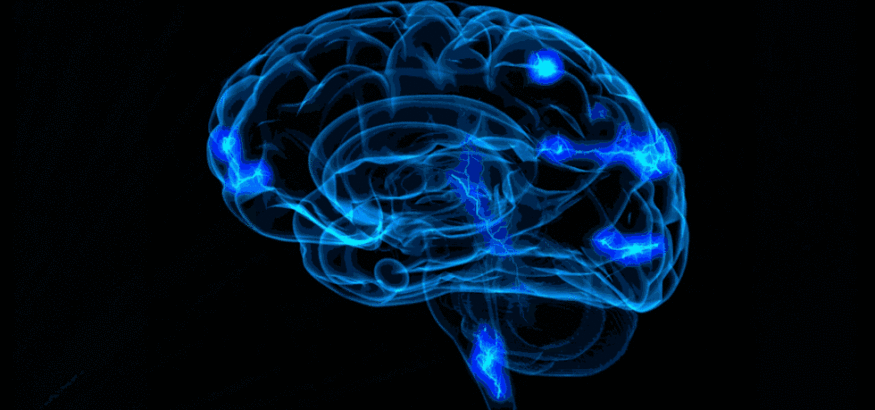
    We at DSM Solutions are here to stay up to date on the latest medical findings related to sleep apnea so that you can be an informed an effective dentist at treating it and related disorders. New findings by medical researchers that have been able to pinpoint a particular style of neural circuitry that arouses mice brains simulating sleep apnea conditions. These findings could result in new methods and medicines that assist patients with obstructive sleep apnea in increasing the amount of sleep they can get at night.

    Because of the breathing cycle that takes place and the changes in the oxygen and carbon dioxide levels in the blood, the brain provides an alert to the person sleeping right in time to re-establish their breathing. This cycle repeats itself multiple times during the night, so the person with sleep apnea is prevented from getting the necessary deep sleep that they need. They often have no memory this by the morning time.

    Saper, a Professor of Neurology and Neuroscience at Harvard Medical School stated that “If we could keep the brain from waking up during sleep apneas episodes and only activate that one part of the brain that open up the airways, those with sleep apnea would be able to get a good night’s sleep.”

    After additional experiments were made, Saper and colleagues concluded that there needs to be a drug that has the ability to reduce the wake-up responses while altering the opening of the airways during the process. The intent is to prevent people with sleep apnea from waking up during the night so that they will be fully rested by morning. The Drs. Greenman and the rest of the team hope developments and further tests can be conducted so that you as a sleep apnea dentist can eventually provide patients the even more accessible form of relief they deserve.

  • Snoring: A Troublesome Problem

    Snoring: A Troublesome Problem

    Although as many as half of all adults snore at least sometimes, snoring is not a normal habit. Sleep should be quiet with effortless breathing.

    Causes

    Snoring is frequently caused when a person’s airway is blocked. Tissues in the throat make the sound as air passes over them. This can lessen air flow and decrease oxygen.

    Dangers

    Often associated with snoring, sleep apnea is a health hazard that occurs when one a person breathing for a minimum of ten seconds at regular intervals while sleeping. Because sleep apnea causes a lack of oxygen and raised levels of carbon dioxide, it can lead to daytime drowsiness.

    Solutions

    For those who snore or have sleep apnea, there are solutions available to help them experience refreshing, beneficial sleep. Personalized treatment plans can help stop snoring or prevent sleep apnea, but before beginning, a person should first be evaluated for potential sleep disorders.

  • Dental Sleep Medicine (DSM) Conference: Research Trends Emerge

    Dental Sleep Medicine (DSM) Conference: Research Trends Emerge

    The American Academy of Dental Sleep Medicine (AADSM) hosted the Academy’s 26th Annual Meeting on June 2nd through June 4th, 2017 in Boston, Massachusetts. The gathering, attended by more 1,200 professionals including both sleep medicine professionals and dentists, honored the winners of the 2017 AADSM Research Award. Guest speakers gave a number of interesting presentations on advances in oral appliances.

    Research Trend 1: Predicting Oral Appliance Therapy Outcomes

    The University of Sydney’s Dr. Kate Sutherland, Ph.D. presented her abstract as the Academy’s keynote speaker. Dr. Sutherland’s research focuses on obstructive sleep apnea, or OSA. Her goal is to help the sleep medicine community recognize the heterogeneity of the condition with an eye toward better recognizing and treating OSA in patients.

    In her research, Dr. Sutherland has looked at the expressions of OSA, in particular obesity and certain features of the skull, that are risk factors for OSA. She uses imaging tools as well as clinically applicable surrogates. Her goal is to be able to identify those clinical features which will predict the individual patient’s outcome in using therapies other than continuous positive airway pressure (CPAP), in particular oral appliances.

    Other researchers have looked into sleep medicine’s ability to predict patient outcomes with oral appliance therapy. These researches include Maysaa Khojah, BDS, MS, who won an AADSM Clinical Research Award. Dr. Khojah’s results showed significant correlation between the patient’s facial anatomy and the patient’s outcome with regard to oral appliances.

    Additional abstracts presented at the meeting looked at the correlations between oral appliance therapy outcomes and physical features that included the following:

    • Aerodynamics of the upper airway
    • Body Mass Index (BMI)
    • Dental anatomy
    • Neck circumference
    • Weight

    Researchers from each of these investigative teams gave the caveat that further research is needed into which physical characteristics can be used by sleep medicine professionals to predict patient success with oral appliance therapy.

    Research Trend 2: Advances in Screening and Follow-Ups

    Patient screenings were another trending topic at the 2017 AADSM Annual Meeting. Presenters talked about screening for sleep-disordered breathing, assessing the patient’s quality of life after successfully reducing the apnea hypopnea index with oral appliance therapy, and timing the follow-ups to polysomnography.

    Kristin Dillow, RDH, MS took home the AADSM’s prestigious Clinical Research Excellence Award for her work. She researched the screening tool used for sleep-disordered breathing. Dr. Dillow made comparisons on the suitability of the 2008 version of the scoring criteria versus the updating 2016 scoring criteria. She showed that the 2016 scoring criteria have significantly improved the exactness of the instrument.

    Research Trend 3: Extended Use Studies

    The AADSM Annual Meeting 2017’s third research trend looking back over the almost 30 years of the field of sleep and delved into the long-term consequences of oral appliance therapy. Two winners of AADSM Research Awards looked at dental movement in instances of long-term oral appliance therapy.

    Mona Hamoda, BDS, MSc, MHSc won the Student Excellence Award for her abstract. The average treatment time in Dr. Hamoda’s study was 12.6 years, making hers the longest patient follow-up research on record. Dr. Hamoda and her team found no significant skeletal changes correlated with oral appliance therapy. However, the research of Julia Uniken Venema, BsC, DMD showed that oral appliance therapy can cause significant dental changes, especially dental occlusion, over a decade.

    Both award-winning abstracts demonstrate that follow-up by knowledgeable dentists is critical in the long-term use of oral appliance therapies. Further research is needed.